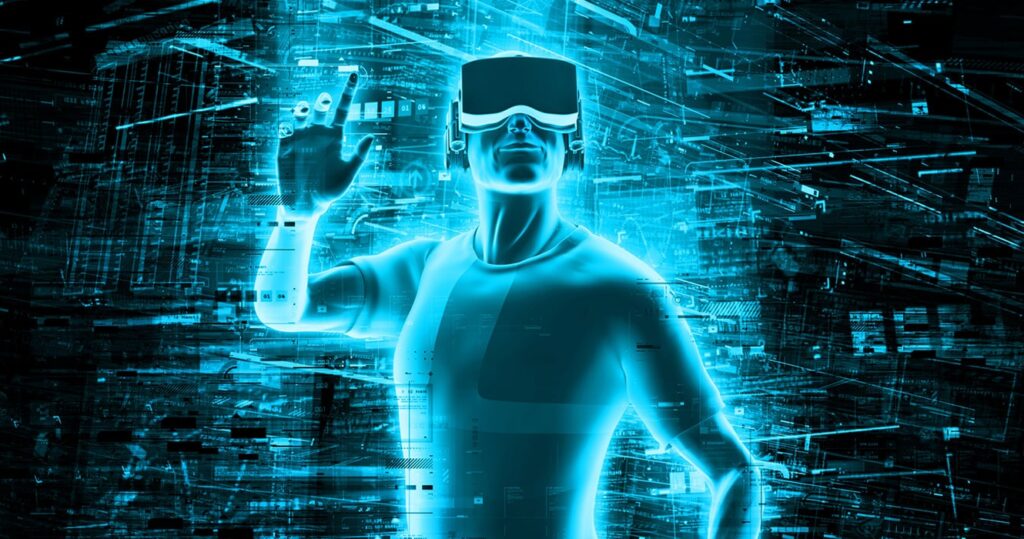
Virtual Reality (VR) is revolutionizing the world of gaming in ways that were once thought to be the stuff of science fiction. As technology advances and VR becomes more accessible, it is taking gaming to an entirely new level, providing players with immersive experiences that blur the line between reality and fantasy. In this article, we explore the profound impact of virtual reality on the gaming industry and how it is reshaping the way we play and experience games.
The VR Renaissance: A Leap into the Unknown
Virtual reality has come a long way from its early experiments in the 1960s and 70s. Today, VR has reached a level of sophistication and accessibility that has propelled it into mainstream gaming. The release of consumer-friendly VR headsets such as the Oculus Rift, HTC Vive, and PlayStation VR has ushered in a new era of gaming.
Immersive Experiences: Gaming Beyond the Screen
What sets virtual reality apart from traditional gaming is its ability to transport players into fully immersive digital worlds. With VR headsets on, players are no longer mere observers; they become active participants in the game's universe. The sensation of being inside the game, surrounded by its sights and sounds, is a game-changer.
VR Genres: From Horror to Exploration
Virtual reality has diversified the gaming experience, offering a wide range of genres that cater to different tastes and preferences. Some notable VR genres include:
Horror: VR horror games are notorious for their ability to induce fear and adrenaline. With immersive environments and jump scares, they provide a spine-tingling experience like no other.
Exploration: VR allows players to explore fantastical worlds and environments in breathtaking detail. Whether it's exploring alien planets or ancient ruins, the sense of wonder and adventure is unparalleled.
Puzzle and Escape Rooms: VR puzzle games challenge players with intricate puzzles and riddles that require creativity and problem-solving skills to solve.
Action and Adventure: From wielding lightsabers in "Star Wars" games to embarking on epic quests, VR action and adventure titles put players at the center of the action.
Physical Interaction: The Power of Motion Controls
VR's impact on gaming goes beyond visuals and audio. Motion controllers and haptic feedback devices enable players to use their hands to interact with the virtual world. This level of physicality adds a layer of immersion that traditional gaming cannot match. Players can swing swords, throw objects, and use their hands to solve puzzles, making every movement feel natural and intuitive.
Social Gaming: Connecting in Virtual Spaces
Virtual reality is not a solitary experience; it's a social one too. Many VR games offer multiplayer modes that allow players to meet up with friends in virtual spaces, creating opportunities for teamwork, competition, and social interaction. VR chat rooms and social platforms also enable players to socialize, attend virtual events, and even host parties.
The Accessibility Factor: Affordable VR Options
One of the key drivers of VR's growth in gaming is its increasing affordability. While high-end VR setups can still be expensive, more accessible options are entering the market. Standalone VR headsets like the Oculus Quest provide a wireless, all-in-one VR experience at a lower price point, making VR gaming more accessible to a broader audience.
The Future of VR in Gaming: Beyond Entertainment
The impact of virtual reality on gaming extends beyond entertainment. VR has also found applications in fields such as education, healthcare, and business training. Here are some examples:
Education: VR can take students on virtual field trips, provide immersive language learning experiences, and facilitate hands-on science experiments.
Healthcare: VR is used for pain management, physical therapy, and even surgical training, offering a safe and controlled environment for medical professionals to practice procedures.
Business: Companies use VR for employee training, team building exercises, and virtual meetings, especially in remote work settings.
Challenges and Considerations
Despite its immense potential, virtual reality in gaming also faces challenges and considerations:
Motion Sickness: Some users experience motion sickness in VR, which can limit their ability to enjoy certain games.
Hardware Requirements: High-quality VR experiences often require powerful gaming PCs or consoles, which can be expensive.
Content Library: While the VR gaming library is growing, it is still smaller than that of traditional gaming platforms.
Health and Safety: Prolonged use of VR can have health implications, including eye strain and issues related to physical movement.
A New Era of Gaming
Virtual reality is ushering in a new era of gaming, one that promises to redefine how we play and experience games. With its ability to provide unparalleled immersion, physical interaction, and social connectivity, VR has the potential to transform gaming into an even more compelling and engaging form of entertainment.
As technology continues to advance and VR becomes more accessible, the future of gaming holds boundless possibilities. Whether you're exploring ancient civilizations, battling space pirates, or solving intricate puzzles, virtual reality is the game-changer that is taking gaming to a whole new level, and the journey has just begun.
0 comments:
Post a Comment